The Ultimate Guide to Herbs and Botanicals in Canada


Introduction to Canadian Herbs and Botanicals
Canada's diverse climate and vast landscapes provide an ideal environment for a wide variety of herbs and botanicals. From the dense forests to the expansive prairies, these natural resources are not only a staple in traditional medicine but also a burgeoning industry in culinary and wellness sectors.

Popular Canadian Herbs
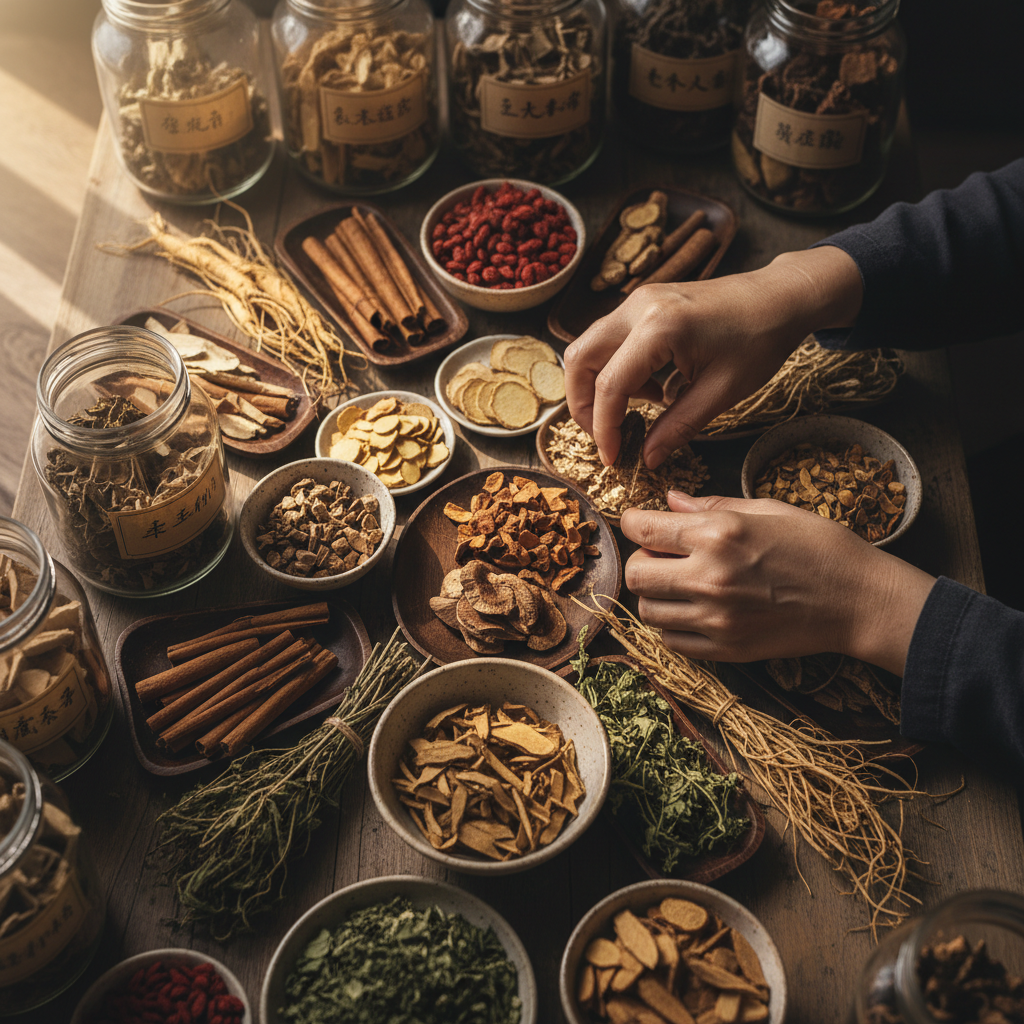
Among the most well-known Canadian herbs is ginseng, prized for its potential health benefits. Ginseng is often used to boost energy and improve mental function. Another popular herb is goldenseal, known for its antimicrobial and anti-inflammatory properties.
Other notable herbs include echinacea, commonly used to enhance immune function, and St. John's Wort, often utilized for its mood-stabilizing effects. These herbs have been integrated into various aspects of Canadian life, from traditional remedies to modern wellness practices.
The Role of Indigenous Knowledge
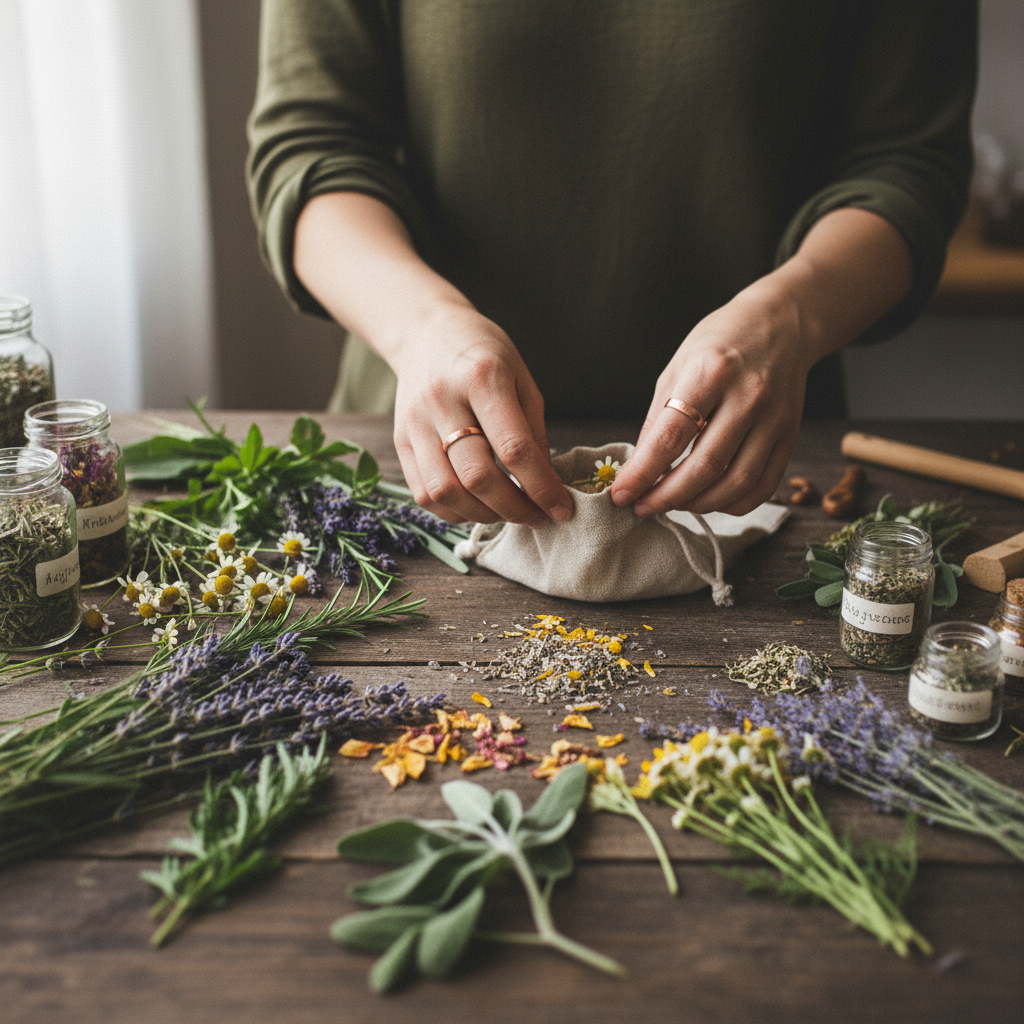
Indigenous communities in Canada have long utilized herbs and botanicals for medicinal and ceremonial purposes. Their deep understanding of the land and its resources has greatly contributed to the knowledge and use of these plants.
Plants like sweetgrass, cedar, and sage hold significant cultural value and are used in various traditional practices. These botanicals are often employed in smudging ceremonies and other healing rituals, highlighting the spiritual connection to nature.
Herbs in Canadian Cuisine
Herbs and botanicals also play a crucial role in Canadian cuisine. The use of fresh herbs like dill, thyme, and rosemary can elevate the flavors of traditional dishes. Many chefs are now exploring the integration of native herbs into modern culinary creations.
For instance, fiddleheads, the young, coiled leaves of the ostrich fern, are a seasonal delicacy in Canada. They are often sautéed with garlic and butter, offering a unique and earthy flavor profile.

Growing Your Own Herbs
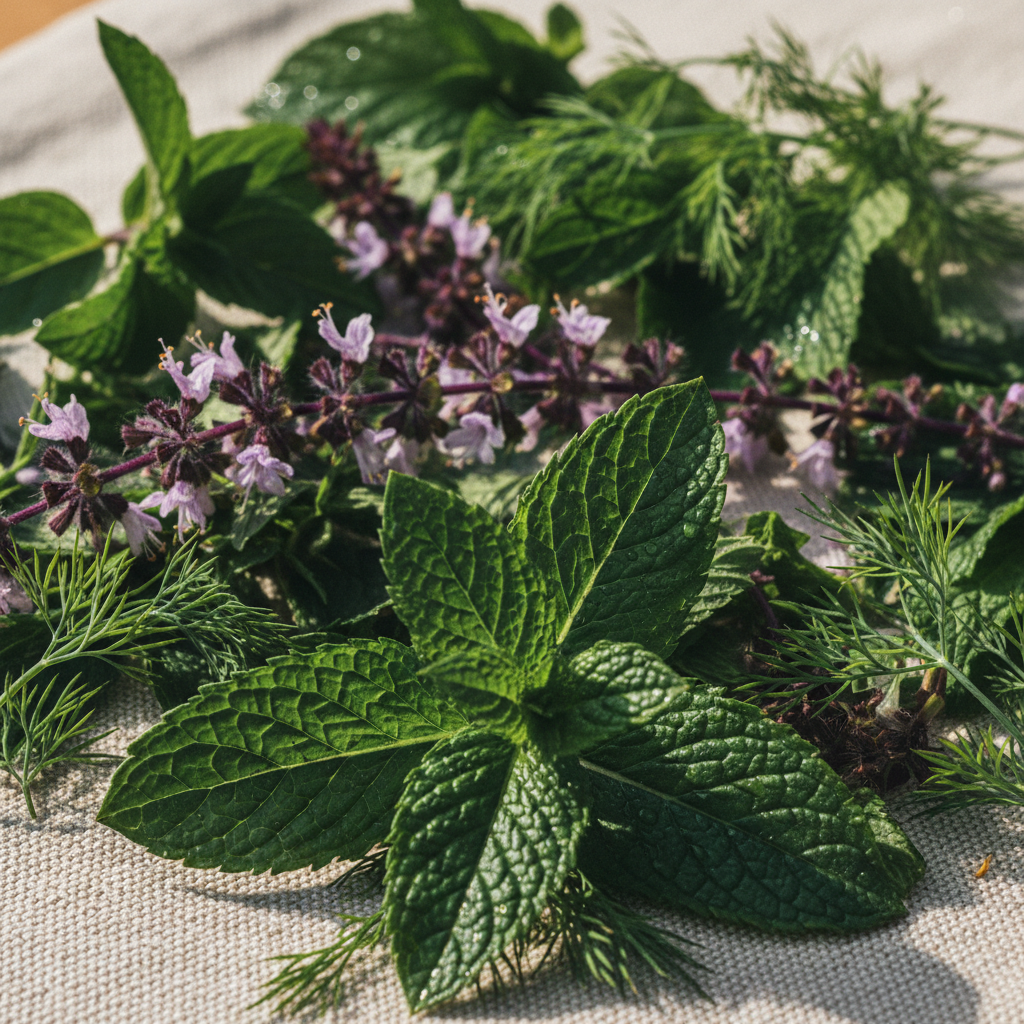
For those interested in cultivating their own herbs, Canada offers a suitable environment for both indoor and outdoor gardening. Popular choices for home gardens include mint, parsley, and chives, which can thrive in various climates.
Growing your own herbs not only provides a fresh supply for culinary uses but also allows for personal exploration of their medicinal properties. With the right care, your herb garden can be a sustainable and rewarding endeavor.
Conclusion
Whether used for their healing properties, culinary potential, or cultural significance, herbs and botanicals are an integral part of Canada's natural heritage. Exploring and understanding these plants can open new doors to health, wellness, and culinary innovation.
By embracing both traditional knowledge and modern applications, Canadians can continue to discover the rich benefits of their native herbs and botanicals.