Debunking Myths: What You Need to Know About Herbal Supplements


Understanding Herbal Supplements
Herbal supplements have gained popularity as people seek natural alternatives for health and wellness. However, numerous myths surround their efficacy and safety. It's important to separate fact from fiction to make informed choices.
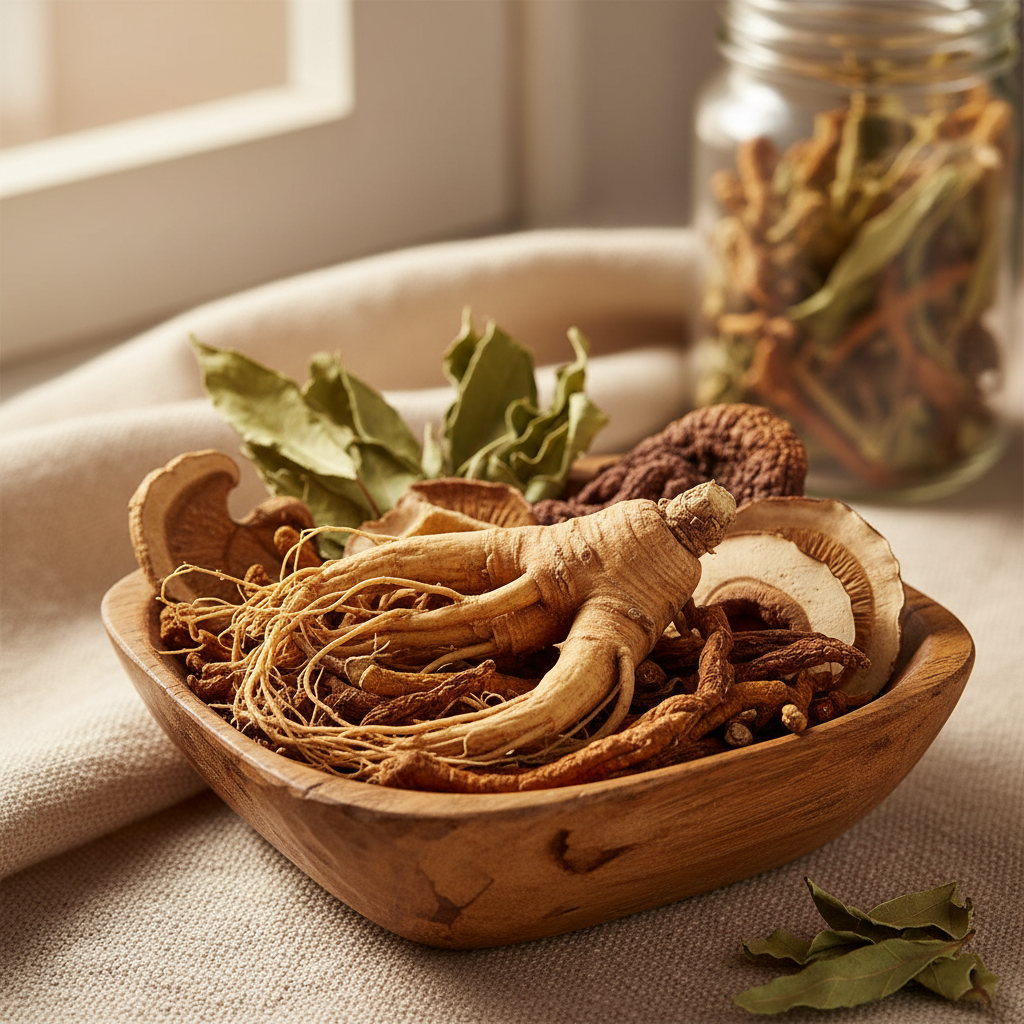
Before incorporating herbal supplements into your routine, it's crucial to understand what they are. These products are derived from plants and used for various health benefits. Despite their natural origins, they can still have potent effects on the body.
Myth 1: Herbal Means Safe
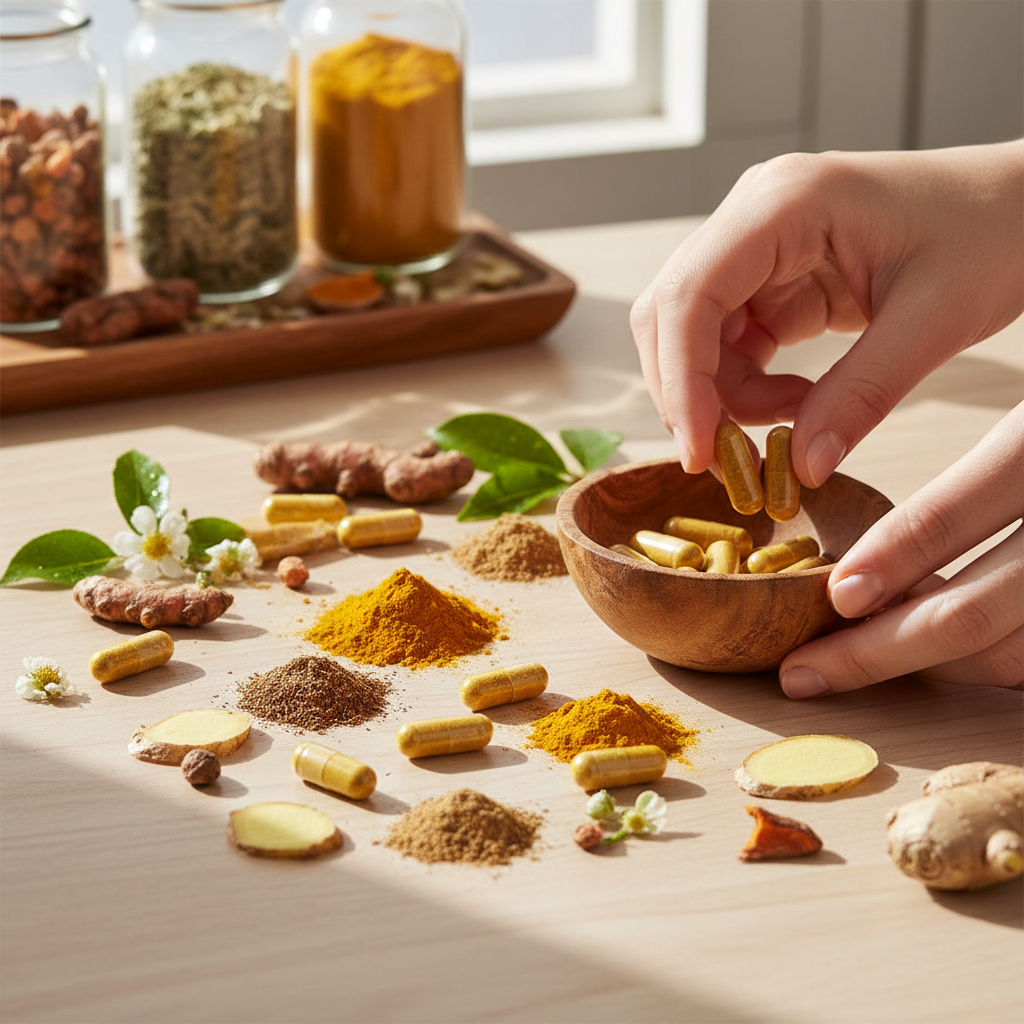
A common misconception is that herbal supplements are inherently safe because they are natural. However, natural doesn't always mean risk-free. Some herbs can interact with medications or cause adverse effects, especially when taken in large doses.
For instance, St. John's Wort, often used for depression, can interfere with prescription drugs like antidepressants and birth control pills. It's essential to consult with a healthcare professional before starting any supplement regimen.

Myth 2: More Is Better
Another myth is that taking more supplements will yield better results. This is not always true. In fact, overconsumption of certain herbs can lead to toxicity or other health issues. Always follow recommended dosages and guidelines.
- Excessive intake of certain vitamins and minerals can be harmful.
- Herbs like licorice root can elevate blood pressure if taken in large amounts.
Myth 3: Herbal Supplements Are Proven to Work
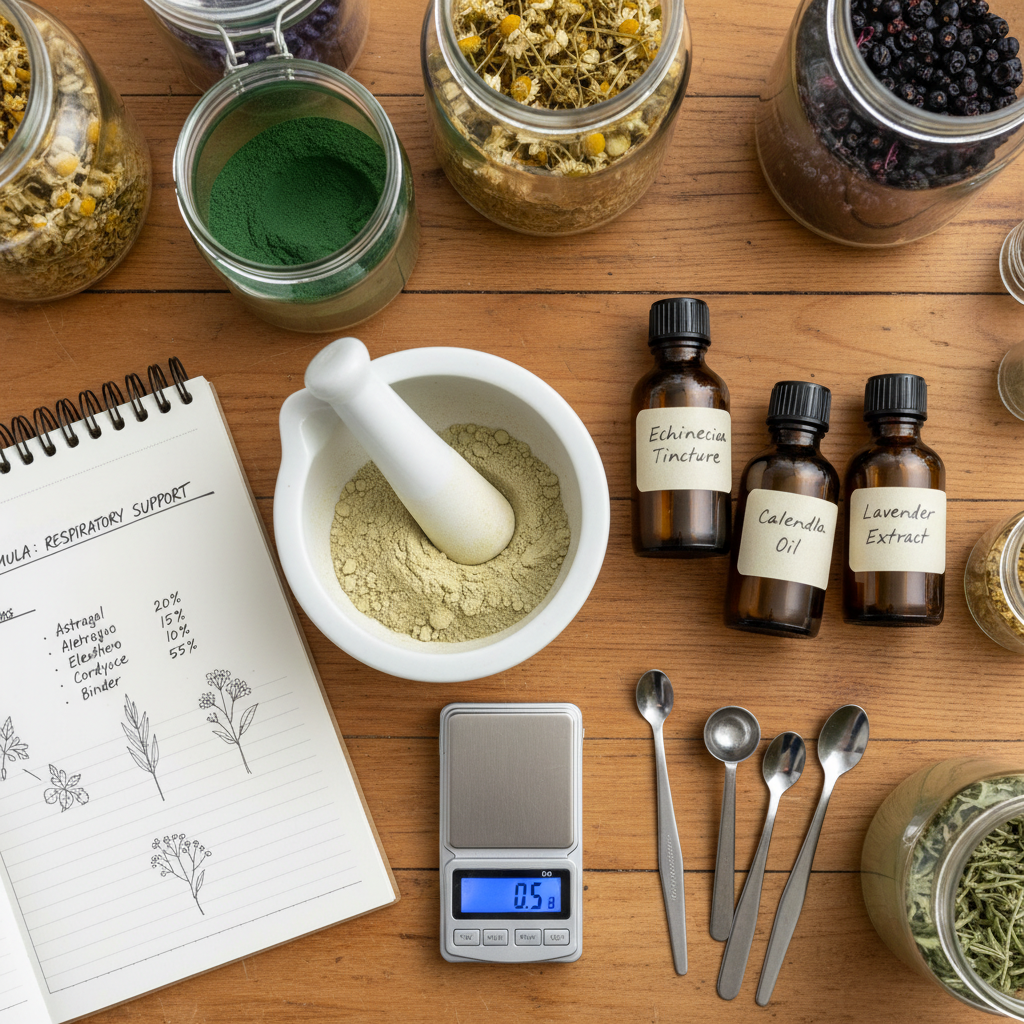
While many people believe that herbal supplements are scientifically proven, the reality is that evidence can be limited. Unlike pharmaceuticals, herbal products are not required to undergo rigorous testing for efficacy.
Some supplements like echinacea and ginkgo biloba have shown potential benefits in studies, but results can vary. It's important to rely on credible sources and research when evaluating these products.
Choosing the Right Supplements
To make the most of herbal supplements, focus on quality and research. Look for products that have been tested for purity and potency by independent organizations. Reading reviews and seeking recommendations from trusted health professionals can also be beneficial.
- Check for third-party certifications.
- Be cautious of exaggerated claims.
- Ensure the product contains the correct amount of active ingredients.
In conclusion, while herbal supplements can offer health benefits, it's vital to approach them with a critical eye. By understanding the myths and facts, you can make informed decisions that support your well-being.